ABOUT ANAIS…
She was licensed as a Psychologist by Universitat Autonoma de Barcelona in 2008. She is also an NLP practitioner since 2003 and a Gestalt Therapist (humanistic and holistic psychotherapy) since 2008, having practiced meditation and yoga for more than 15 years.
She has worked with thousands of individuals both in private sessions and at yoga retreats.
Over the years, she has developed a unique approach bringing a broad range of skills that enable her to tailor every session to the client’s needs.
Her compassionate, kind and warm support will help you feel understood, seen, and supported in many ways.
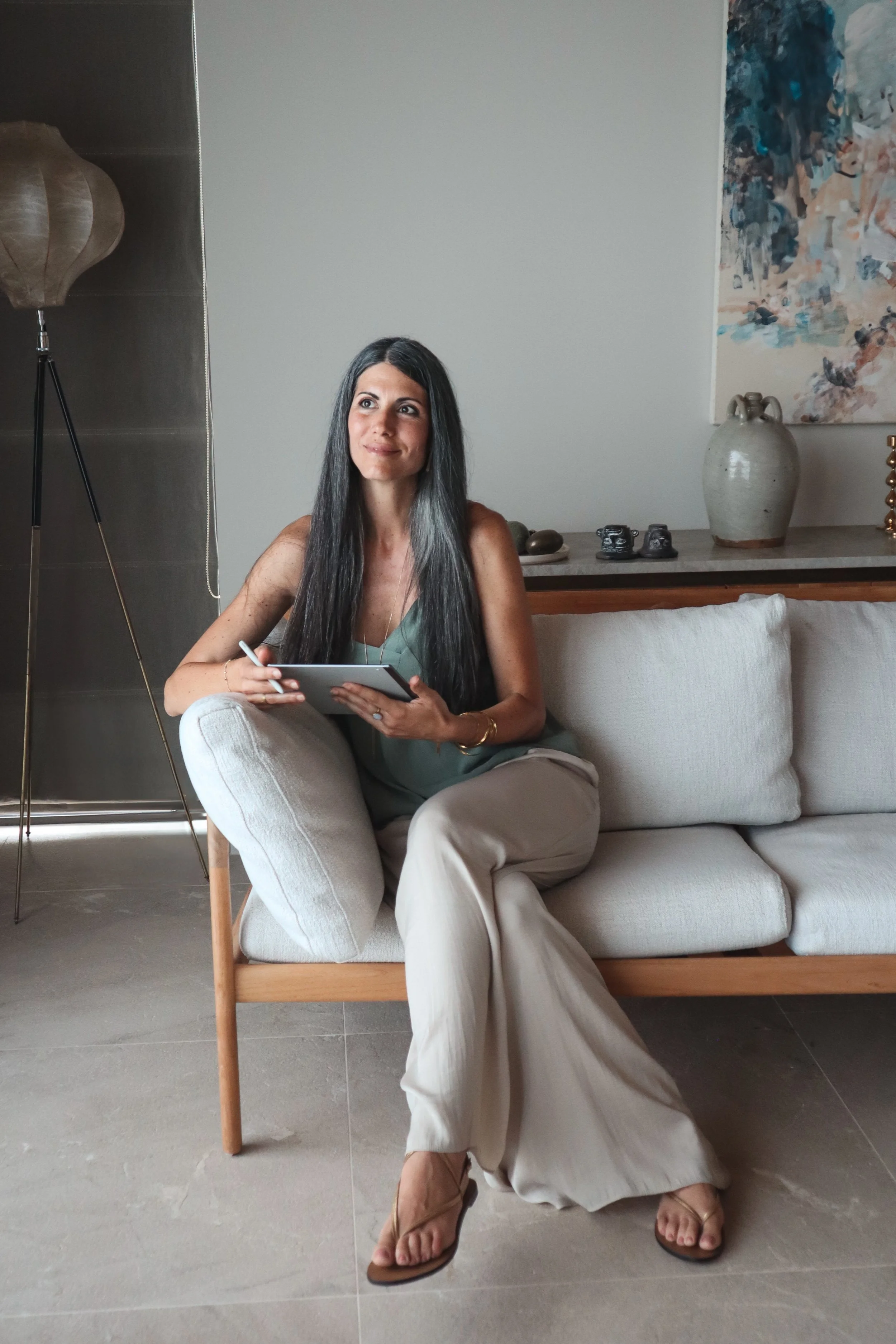
In a session with Anaïs, you can expect to feel seen and understood, and to be held in a safe and caring way, accompanying you in whatever it is that you are going through. You can find support through the process of overcoming fears and blockages or adjusting to challenging life changes.
You can also expect to deepen the connection and awareness within yourself, and better recognize and manage your sensations, emotions, and needs, learning or reestablishing a healthier way to relate to yourself and others.
You will find more clarity, focus, and inner support, which can lead you to live a happier, peaceful, and more fulfilling life.
WHAT TO EXPECT IN A SESSION:
In her own words…
I grew up in Ibiza in a home filled with intellectual curiosity—my parents loved discussing ideas over long dinners and Sunday morning music. Though we had a certain apparent stability, there was also a lot of emotional chaos and explosions, so I also learned very early to navigate emotional complexity, becoming skilled at reading people and understanding what lay beneath the surface and become the emotional translator, and mediator in my family.
As a child, I kept a diary analyzing my inner world—my first practice in emotional awareness. When my mum studied psychology, I'd listen to her exam answers, absorbing ideas about human behavior long before I formally studied it myself.
After earning my psychology degree in 2004, I felt something was missing. Gestalt Therapy training gave me what I'd been seeking: an embodied, experiential approach to understanding emotions and human beings. Those four years transformed how I work with people. I also trained in NLP and explored dance therapy, meditation, family constellations, voice therapy, shamanic work, and somatic practices.
My path has been unconventional. I've run my parents' organic health food store, managed luxury yoga retreats, and spent the last decade deepening my private practice with studies in neuroscience, inner parts, attachment styles, trauma, and somatic healing.
What shapes my work isn't just my formal training—it's the integration of scientific and spiritual, rational and embodied approaches. It's more than 10 years as a professional, combined with a lifetime of studying human connection.
That's why I support both individuals on their healing journeys and even sometimes professionals who help others—so we can all live more whole and fulfilling lives.
Let’s do it together…
SERVICES:

Humanness Coaching
Helping you clarify your inner world and rebuild a more compassionate and understanding relationship with yourself and your emotions.
You will learn better ways to relate and communicate with different parts of you or others.
Gain better focus and direction, retraining “your body-mind system” so you can move towards a more fulfilling, peaceful, and happy life.
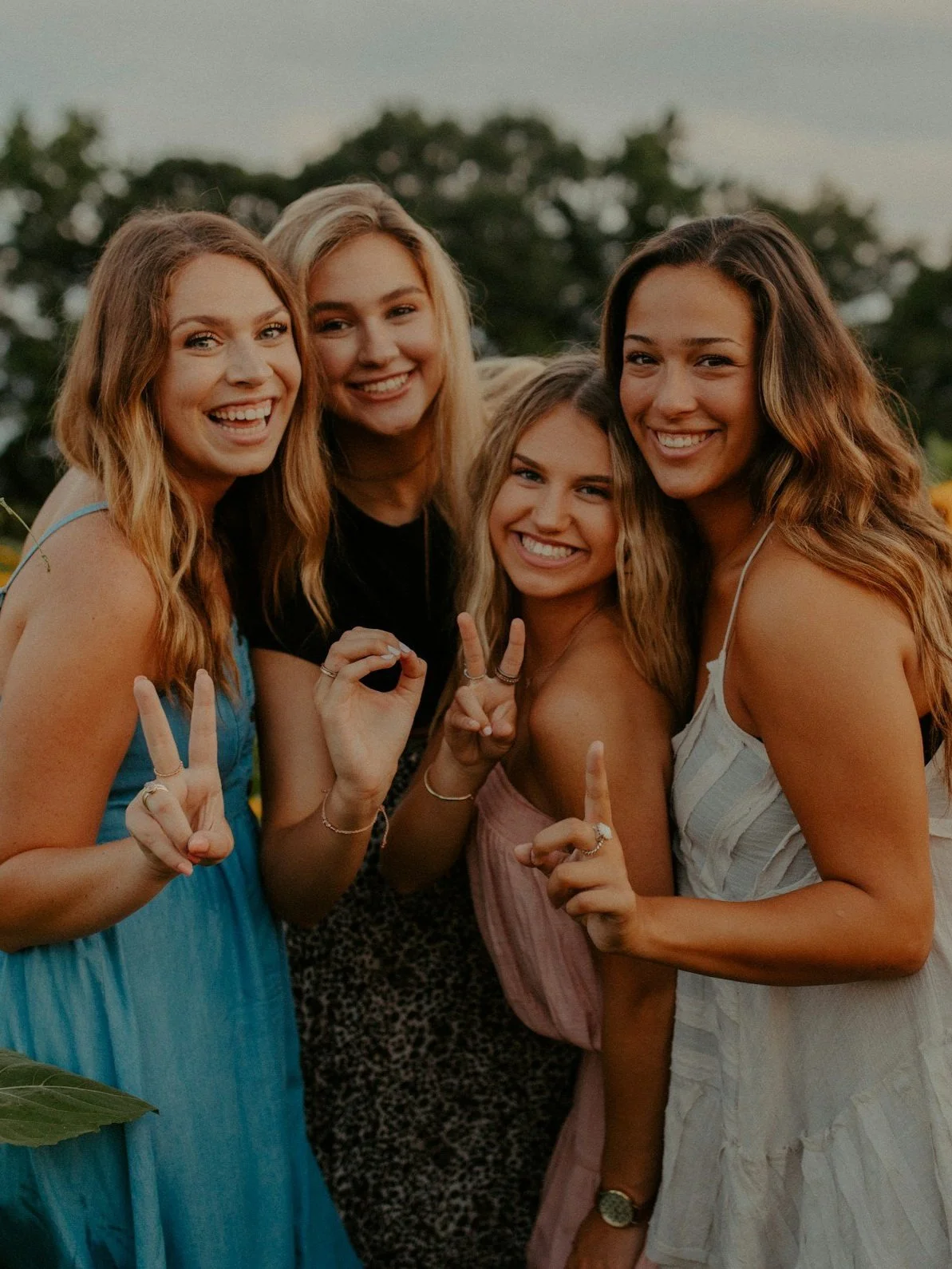
Group Workshops and programs
Group sessions in which to explore and develop better emotional and personal resources.
Experience new ways of authentic connection and support from others.
Group bonding experiences to amplify your trust and confidence.

Individual Supervision for facilitators, therapists, or coaches
Are you accompanying others on their journey and feeling stuck with a particular client? Are you having doubts about how to approach certain topics with them?
Let me help you, drawing on my experience as a psychologist and Humanness Coach, with those difficult cases so you can gain more resources, a deeper understanding, and better help your clients.

Services for Retreats
Workshops, group dynamics guidance to deepen participants’ bonding experience, client care services, wellness planning, and pre-, post-, or integration sessions.
Keep in touch to discuss how I can better help you elevate what you offer and help you deepen the relationship with your clients and their overall experience.
